The Biggest Stage, The Sharpest Message
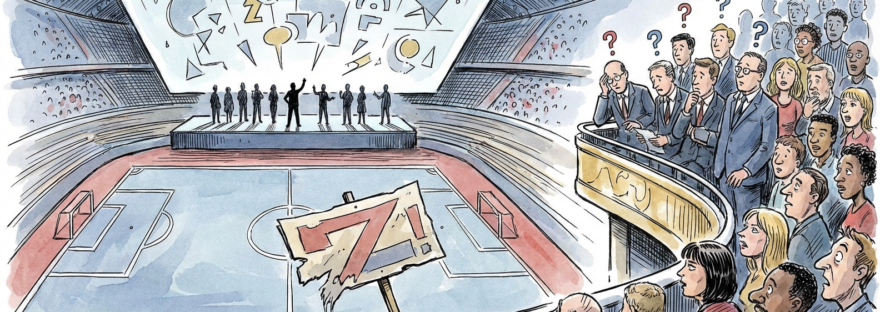
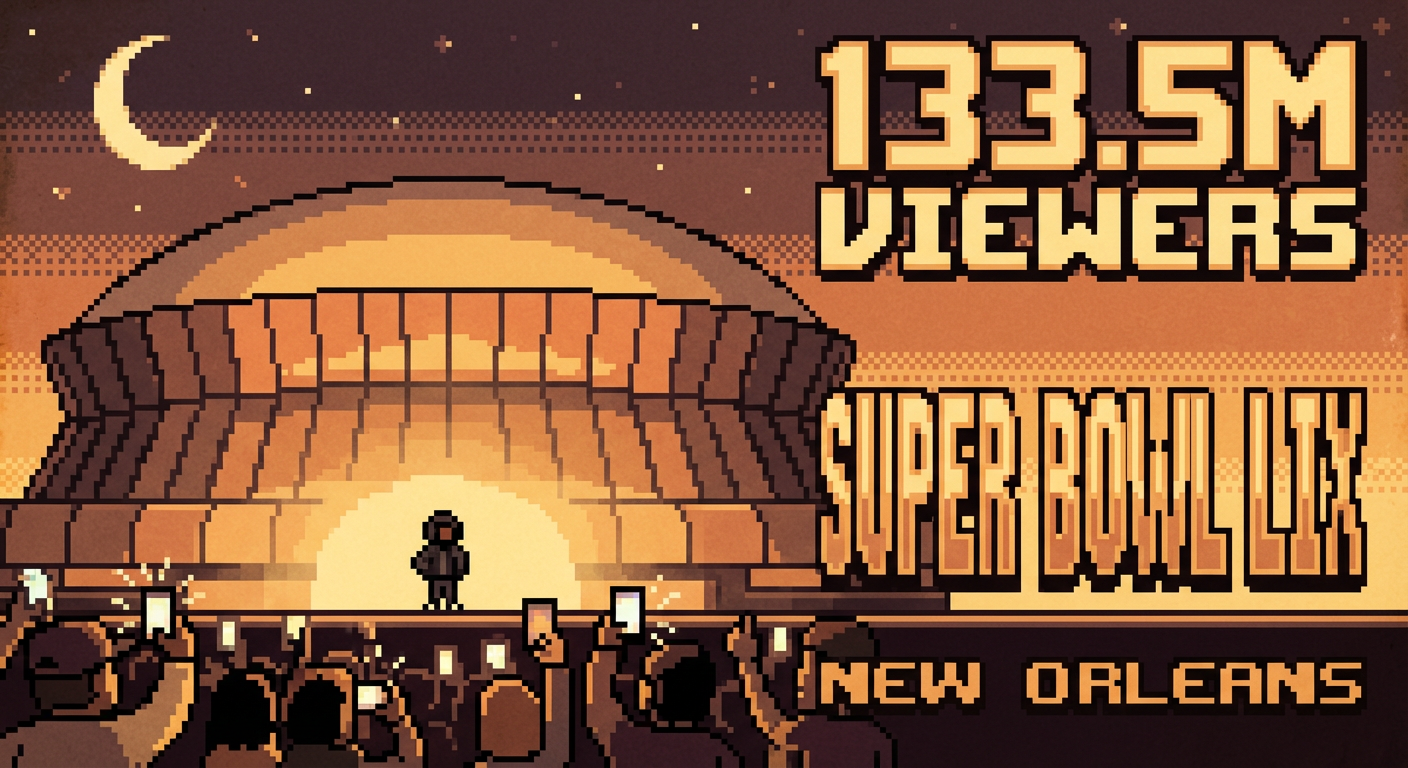
Kendrick Lamar performed for 133.5 million people on February 9th, 2025, and the NFL still doesn’t seem to understand that it handed a megaphone to someone determined to dismantle the mythology they’ve spent decades constructing. This wasn’t a halftime show designed to please everyone. It was a Trojan horse wrapped in neon and Black radical aesthetics, and the network was too busy counting viewers to notice what was actually happening on stage.
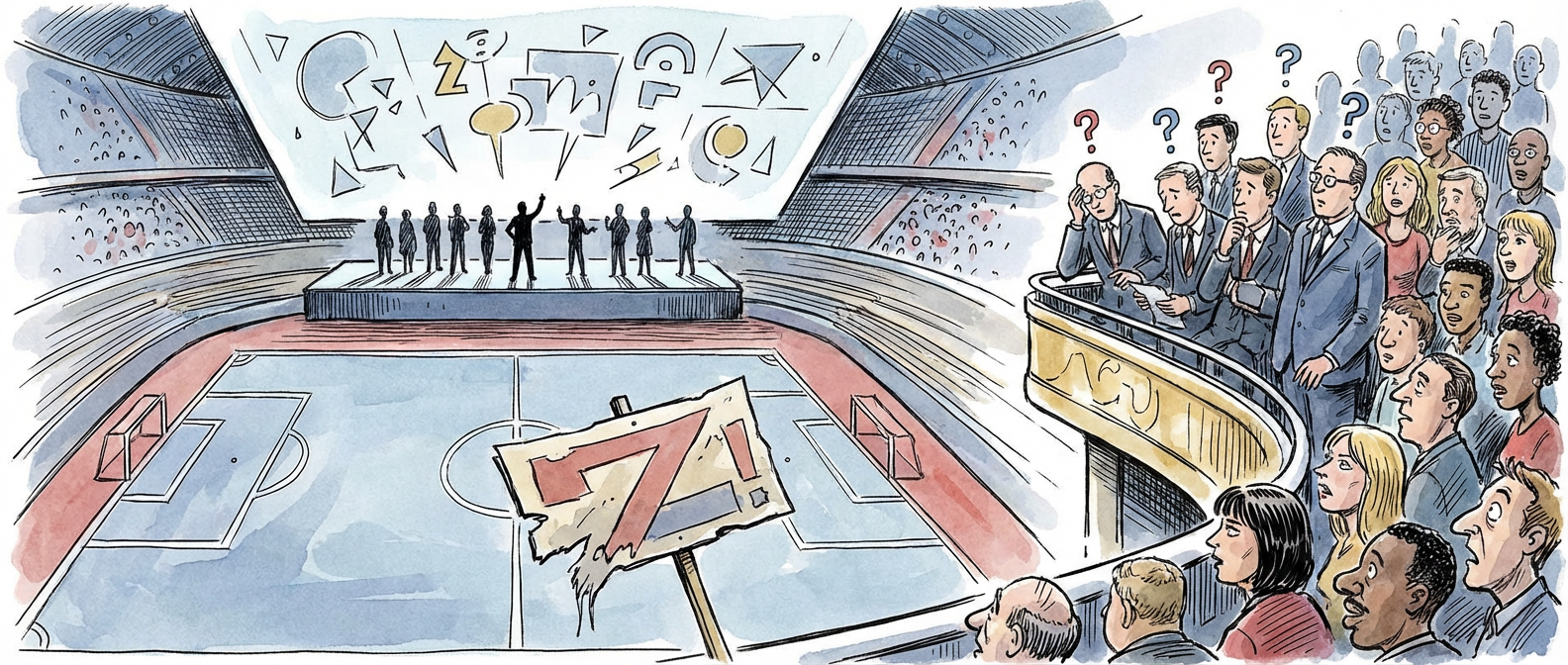
What made this different from every other halftime show: Lamar didn’t compromise his vision for the camera. He didn’t soften the edges or sand down the political content into something palatable for living rooms in suburbs across America. He doubled down. He performed “Not Like Us” twice. The diss track. The one that won Record of the Year at the Grammys as the first diss track ever to claim that prize. He made sure the central artistic statement of his recent work was impossible to ignore, even for people watching with the sound muted and their minds half-present.
Black American Flags and Artistic Genealogy
The visual language Lamar deployed wasn’t accidental. The Black American flag imagery throughout the staging wasn’t decoration. It was a direct reference to a specific lineage of Black American artistic practice, particularly Hank Willis Thomas’s “The Embrace” tradition and the broader Afrofuturist visual vocabulary that’s been central to contemporary Black art for decades. This is genealogy made visible on a football field in New Orleans, a city where Black culture gets celebrated and commodified in the same breath.
What’s remarkable is how this imagery worked on multiple levels at once. For viewers versed in contemporary art discourse, it signaled intellectual rigor and historical awareness. For viewers who simply saw it and felt something, it created an emotional resonance tied to Black struggle and resilience. The show refused the false binary of accessibility versus artistry. It was both. Deliberately, aggressively both.
Samuel L. Jackson as America’s Uncomfortable Mirror
Samuel L. Jackson’s presence as narrator throughout the performance wasn’t celebrity stunt casting. According to The Atlantic’s cultural analysis of the halftime show, critics understood his role as something more pointed: a living embodiment of the American mythology that Lamar was systematically deconstructing. Jackson’s voice, that particular cultural authority and charisma, was enlisted to narrate America’s story back to itself. But the story being told wasn’t the triumphalist narrative the Super Bowl usually peddles.
This matters because it moves the performance beyond music into conceptual art territory. Jackson wasn’t there to add legitimacy or star power in the conventional sense. He was there to create cognitive dissonance. America knows Samuel L. Jackson. America trusts Samuel L. Jackson. And yet here he was narrating a story that fundamentally challenges American exceptionalism and the mythology embedded in the very institution broadcasting the game. The tension between those two things is where the real art lives.
The Streaming Numbers Tell a Different Story
According to Nielsen streaming surge data post-Super Bowl, Lamar’s back catalog surged 1,400 percent in the 48 hours following the halftime performance. Let that number sit for a moment. Not 140 percent. Not 400 percent. 1,400 percent. That’s not a successful marketing moment. That’s a cultural earthquake.
What this actually measures is engagement with an artist’s entire body of work in a completely new context. People who watched Lamar perform weren’t just casually streaming a hit or two. They were going back to his albums. They were discovering his catalog. They were having conversations about his development as an artist across years. This is the opposite of the typical halftime show trajectory, where viewership spikes during the performance and then evaporates within days. Lamar’s show created momentum. It created hunger.
The NFL’s Fundamental Confusion
Here’s what the NFL doesn’t understand about what happened on their stage: the most culturally significant performances are never the ones designed to offend no one. They’re the ones that refuse to be digestible. The Super Bowl halftime show has always existed in this awkward space where mass entertainment collides with artistic intention. Usually, entertainment wins. The artist gets neutered. The message gets softened. Everyone goes home satisfied and forgetting what they saw within hours.
Lamar refused that bargain. He came to the Super Bowl not to celebrate within the system but to interrogate it, to make visible the machinery of mythology-making that the sport and the network depend on. The 133.5 million viewers weren’t all there for the same reason. Some came for the spectacle. Some came for the music. Some came because they sensed that something different was happening. And they were right. The question now is whether the NFL will ever acknowledge what actually occurred on their stage, or whether they’ll keep treating this as simply another successful ratings moment. The art doesn’t care which answer they choose.
