When the Biggest Stage Becomes a Gallery
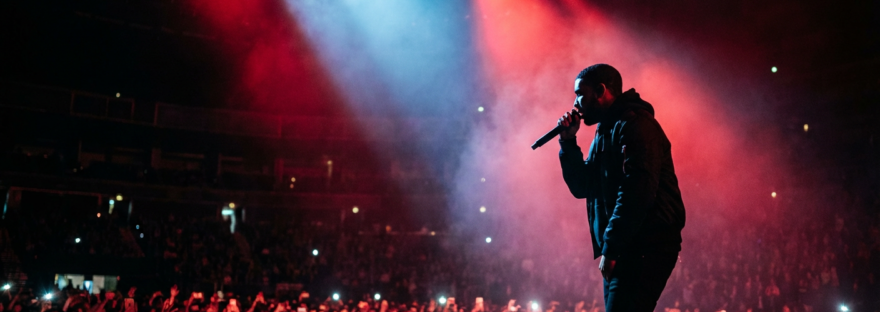
On February 9, 2025, Kendrick Lamar performed the halftime show at Super Bowl LIX in New Orleans. This was not a ceremonial appearance. This was not a celebrity obligation. This was a 15-minute political art installation that happened to reach 127.7 million viewers, making it one of the most-watched halftime performances in Super Bowl history. Sit with that number for a second. That’s more people than will attend every major museum exhibition in America this year combined.
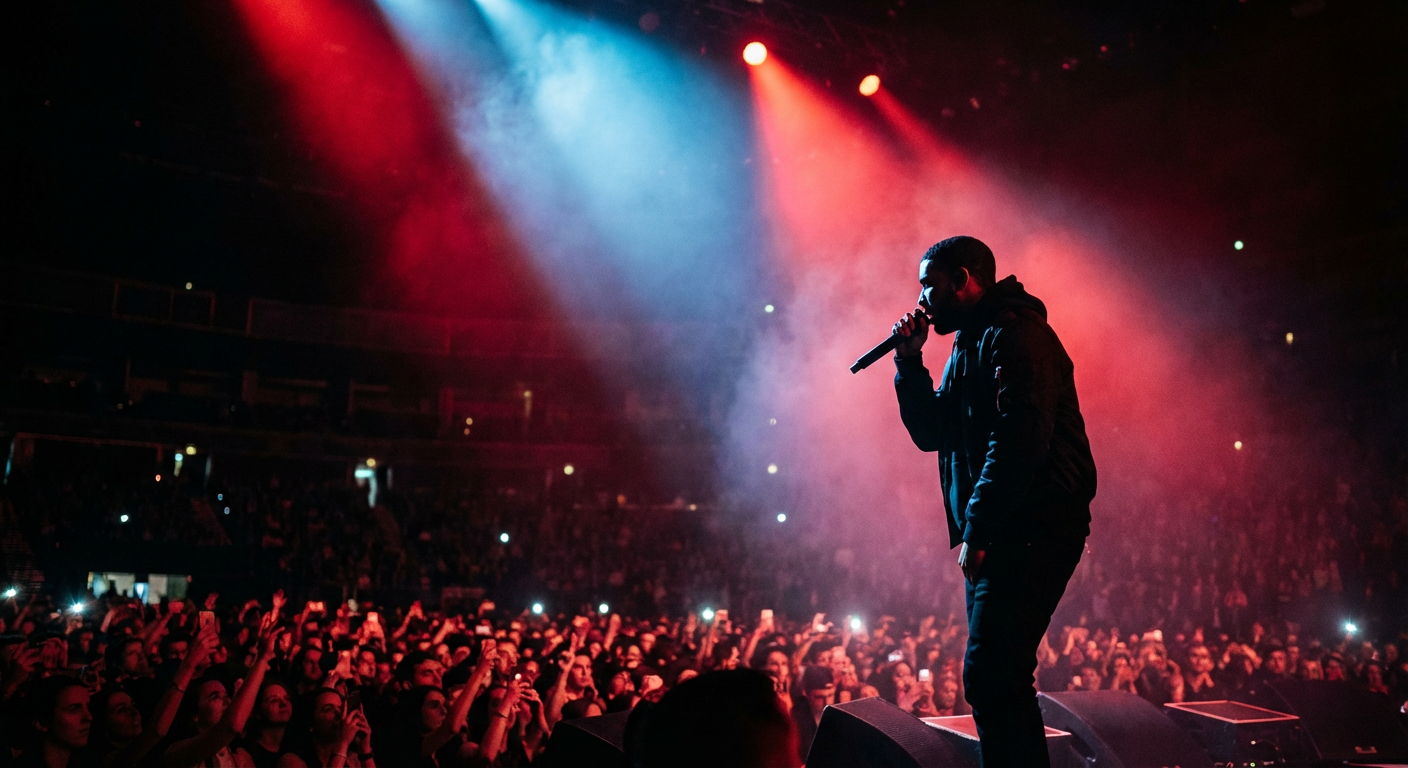
Kendrick became the first solo rap artist to headline the Super Bowl halftime show in its modern era of production scale and design sophistication. The industry spent weeks debating whether rap could “carry” the halftime show. That’s the wrong question entirely. The better question is why we act surprised when Black artists transform the most mainstream platform available into something with actual stakes.
The Visual Language of Refusal
Set designer Es Devlin Studio created what can only be described as a mobile Black Panther monument. Devlin’s previous work includes the 2012 London Olympics closing ceremony and Adele’s visual landscape designs, so she understands scale and spectacle. What she built here was different. The stage incorporated direct visual references to Black Panther Party iconography alongside Compton community muralism, transforming the Super Bowl’s commercial sanctum into a space that acknowledged Black American institutional memory and aesthetic tradition.
This wasn’t decoration. This was curatorial practice. Devlin took the language of radical Black visual culture and placed it at the center of the most commercialized sports moment in American culture. The production design asked a simple question: what happens when we stop apologizing for where our art comes from?
When One Song Contains the Whole Argument
Kendrick performed “Not Like Us,” the diss track that dominated 2024 and reshaped Drake’s cultural position. Released as a single, it debuted at number one on the Billboard Hot 100. By early 2025, it had accumulated over one billion streams on Spotify. These numbers matter not because streaming metrics equal artistic value, but because they reveal something about attention and collective investment. Millions of people wanted to hear Kendrick make a specific argument about authenticity and artistic stakes.
Performing this song at the Super Bowl wasn’t about victory laps. It was about insisting that the conversation matters. That the work matters. That Black rap artists arguing about craft and credibility deserve the same cultural real estate as anything else demanding national attention. The song doesn’t soften in that space. It sharpens.
What the Critics Understood
Both Pitchfork Super Bowl Halftime Review and The Atlantic published longform analysis arguing that this performance functioned as a statement on Black American identity and institutional visibility in mainstream media. This critical response matters because it refused to treat the halftime show as merely entertainment. These publications understood they were witnessing curatorial work, not celebrity pageantry.
The Atlantic specifically contextualized the performance within decades of Black artists navigating mainstream platforms while maintaining artistic autonomy. Pitchfork treated the visual language as compositional choice rather than backdrop. Both recognized that Kendrick and Devlin had created something that worked on multiple registers: as entertainment for casual viewers, as artistic statement for engaged audiences, and as institutional critique for anyone paying attention to what was being said about visibility and representation.
The Radical Act of Taking Up Space
Here’s what bothers me about lazy critical consensus: the idea that mainstream success corrupts artistic intent. That reaching 127.7 million people somehow dilutes the work. Kendrick’s halftime show disproves this. He took the Super Bowl’s massive platform and used it to amplify arguments about Black artistic tradition, institutional memory, and the refusal to compromise on what matters. He didn’t “make it accessible.” He made it unavoidable.
The production design nodded to communities and movements while the music insisted on specificity. The performance allowed simultaneous readings: casual viewers saw entertainment, engaged viewers saw artistic statement, and critical viewers saw institutional intervention. This isn’t compromise. This is sophisticated artistic practice operating at scale.
So what do we do with this? Do we dismiss it because it happened within a commercial framework? Do we celebrate it uncritically? Neither. We acknowledge that art in this moment operates within and against the systems available to it. Kendrick didn’t bring Black Panther imagery and Compton muralism to the Super Bowl because he was domesticating them. He brought them because institutional visibility matters, because collective attention is a resource, and because sometimes the most radical move is refusing to separate your art from the communities it emerges from.
The halftime show is over. The images remain. The argument continues. What did you see when you watched it, and what does your answer reveal about what we believe art should do when given the largest possible audience?
