The short version: this matters more than the headline suggests.
The Personal Journey Into Gacha Economics
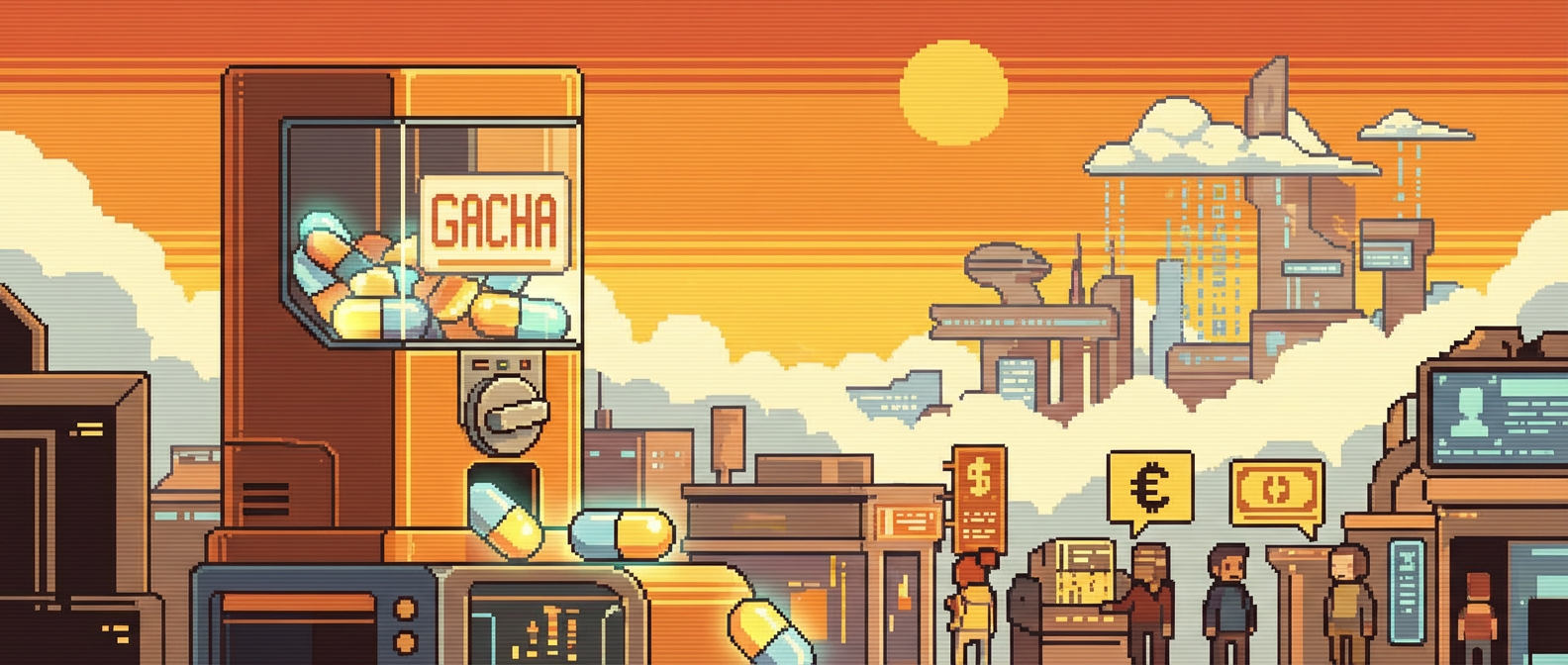
As someone who has spent more hours than I should probably admit in gacha games, I have opinions about where this space is heading that come from actual experience rather than headlines. My wallet has contributed to the staggering reality that free-to-play models now drive more than four-fifths of all mobile gaming revenue worldwide. This change is one of the most dramatic shifts in entertainment economics we’ve seen in the past decade.
The pattern here is familiar once you’ve seen it a few times. What follows challenges how most people think about this.
The traditional model of paying upfront for complete games has largely given way to complex psychological and economic systems designed to extract value over extended periods. What started as simple microtransactions has grown into detailed ecosystems where player psychology, behavioral economics, and game design meet in increasingly sophisticated ways. The result is an industry that has completely changed how we think about digital entertainment value.
Beyond the Gacha Wheel: Diversifying Revenue Streams
The most significant change in gacha gaming economics isn’t actually about gacha mechanics at all. Battle pass systems have become a cornerstone of modern free-to-play design, giving developers something they desperately needed: predictable revenue streams. Unlike the wild swings of gacha spending, battle passes create consistent monthly income that allows for better resource planning and development cycles.
What’s particularly interesting is how player spending patterns have moved toward cosmetic items rather than gameplay-affecting purchases. This trend suggests a maturing player base that values self-expression and personalization over pure competitive advantage. Players increasingly want to pay for visual upgrades, character skins, and aesthetic modifications that don’t impact game balance but allow for individual expression within shared virtual spaces.
Subscription models have also found their place in this ecosystem. Systems like Genshin Impact’s Welkin Moon pass demonstrate how low-commitment monthly subscriptions can capture spending from players who might never engage with high-value gacha pulls. These models provide steady value delivery while maintaining the psychological comfort of predictable spending limits. According to SuperData gaming research, this approach has proven particularly effective at converting free players into paying customers without the intimidation factor of expensive gacha mechanics.
The Rise of Alternative Revenue Models
Perhaps the most promising development for player-friendly monetization is the emergence of advertising-based revenue streams that work as alternatives to direct spending. Rewarded video ads, sponsored content integration, and brand partnerships are creating new pathways for revenue that don’t require players to open their wallets. This change acknowledges that not all players can or will spend money on games, but their engagement still has value.
These advertising models are becoming increasingly sophisticated, moving beyond simple banner ads to integrated experiences that feel natural within the game environment. Players can watch advertisements to earn premium currency, unlock temporary benefits, or access exclusive content. This creates a three-way value exchange where advertisers reach engaged audiences, developers generate revenue, and players receive tangible benefits without financial commitment.
The integration of these models represents a fundamental change in thinking about player value. Rather than viewing non-paying players as a burden on server resources, developers are recognizing them as valuable participants in the ecosystem whose attention and engagement can be monetized through alternative channels. Industry coverage from Pocket Gamer biz news suggests this trend will accelerate as advertising technology becomes more sophisticated and less intrusive.
Regulatory Pressure and Transparency Revolution
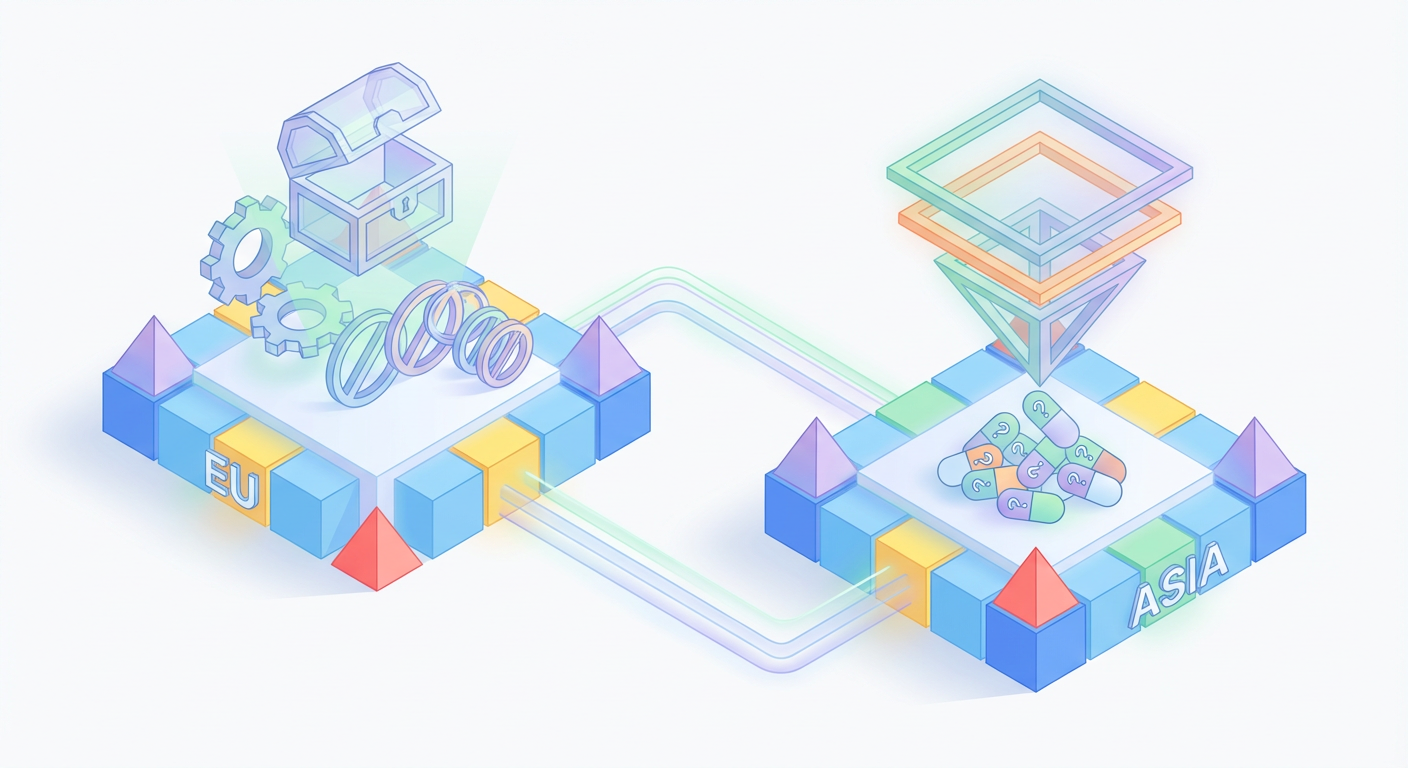
The regulatory landscape around gacha mechanics and loot boxes is undergoing dramatic transformation, particularly in Europe and Asia. New rules are requiring unprecedented levels of transparency in drop rates, spending limits, and probability disclosure. What was once considered proprietary information is now mandated public disclosure, completely changing the relationship between developers and players.
This transparency revolution extends beyond mere compliance. Developers who once guarded their monetization mechanics as trade secrets are now proactively sharing detailed information about odds, pity systems, and spending patterns. This change represents more than regulatory compliance. It reflects a recognition that informed players make more sustainable spending decisions and develop stronger long-term relationships with games.
The impact of these changes varies significantly by region. European regulations focus heavily on consumer protection and spending transparency, while Asian markets are implementing more nuanced approaches that balance industry interests with player protection. These divergent regulatory approaches are creating a complex global landscape where developers must navigate multiple compliance requirements while maintaining coherent game economies.
The Future Landscape of Free-to-Play Economics
Looking ahead, the most successful gacha games will likely be those that embrace diversified monetization strategies rather than relying solely on traditional gacha mechanics. The future points toward hybrid models that combine subscription services, battle passes, cosmetic sales, advertising revenue, and yes, still some gacha elements, but in more transparent and player-friendly implementations.
Artificial intelligence and machine learning are beginning to play larger roles in personalizing monetization approaches. Rather than one-size-fits-all gacha systems, we’re moving toward dynamic economies that adjust to individual player preferences, spending patterns, and engagement levels. This could mean different players see different types of offers, different pricing structures, or entirely different monetization mechanics within the same game.
The sustainability question looms large over the entire industry. As players become more sophisticated and regulatory pressure increases, the most exploitative monetization practices are becoming less viable. Games that build long-term player relationships through fair value exchange will likely outlast those that rely on psychological manipulation and predatory practices. This change suggests we’re heading toward free-to-play economics that mature into more ethical and sustainable models benefiting both players and developers.
The gacha gaming economy is at a turning point. The next few years will determine whether the industry moves toward more player-friendly, transparent, and diverse monetization models, or whether it doubles down on increasingly sophisticated psychological manipulation. Based on current trends in regulation, player behavior, and developer innovation, the smart money seems to be on the former.
Keeping up with the pace of change across gacha gaming and mobile entertainment is a full-time job. metatrend.app does a lot of that work for you, worth checking out if these topics are on your radar.
The conversation about this is as valuable as the thing itself. Tell us what we missed in the comments.
